
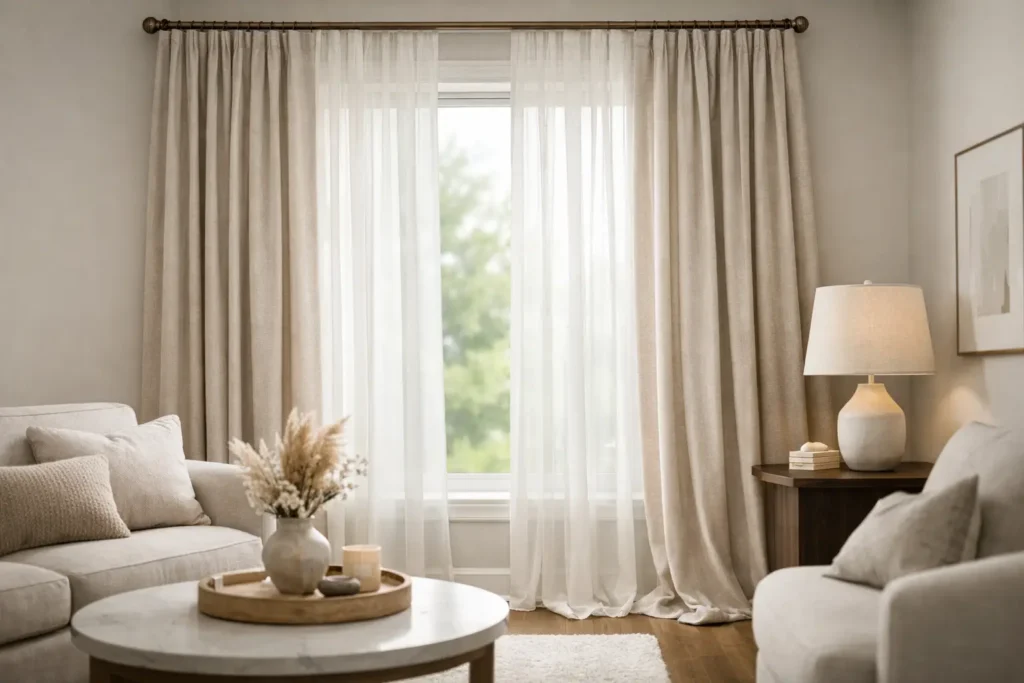
A window can have a beautiful view, excellent natural light, and premium furniture around it, yet still leave a room feeling unfinished. Custom drapes change that. They add softness to hard architectural lines, frame the window with intention, and give you precise control over privacy, sunlight, and atmosphere.
Unlike ready-made curtains, made-to-measure drapes are created for the actual proportions, purpose, and style of your space. The result is not simply fabric at a window. It is a tailored interior finish that makes a bedroom feel calmer, a living room feel more refined, or an office feel more polished for clients and guests.
Why Custom Drapes Are Worth the Difference
The most visible difference is fit. Standard curtains are produced for general window sizes, which often leads to panels that sit too short, too narrow, or too flat. Custom-made drapes are measured around your window, ceiling height, curtain track, and preferred stacking position. This creates a clean, full look when the drapes are closed and an elegant frame when they are open.
The practical difference matters just as much. The right fabric and lining can reduce glare, protect furniture from harsh sunlight, improve bedroom darkness, and make a room more private without sacrificing its design. For villas, apartments, offices, and hospitality spaces, that combination of performance and presentation is what turns window coverings into a long-term interior investment.
Custom solutions also give you freedom. You can choose a soft sheer that filters daylight, a rich blackout drape for restful sleep, or a layered treatment that delivers both. The best choice depends on how the room is used, not just on what looks good in a fabric sample.
Choosing Custom Drapes Room by Room
A single fabric style rarely works perfectly throughout an entire property. Each room has its own needs for light, privacy, maintenance, and visual impact.
Bedrooms Need Darkness and Comfort
Bedrooms benefit from blackout or dimout drapes, particularly where early sunlight, neighboring buildings, or street lighting can disturb sleep. A blackout lining is often more effective than selecting a heavy fabric alone. It blocks more light while helping the drape maintain a smooth, structured fall.
For a more layered finish, combine blackout drapes with sheer curtains. Sheers allow soft daylight into the room during the day while preserving a degree of privacy. When evening arrives, the main drapes close to create a more restful and private environment.
Living Rooms Need Flexibility
Living rooms usually call for a more decorative approach. Linen-look fabrics, textured weaves, and elegant sheers can bring warmth without making the room feel overly formal. If the space receives intense afternoon sun, consider pairing sheer curtains with lined drapes or roller blinds behind them.
The trade-off is between softness and function. A very light sheer looks airy and sophisticated, but it will not provide the privacy or heat reduction of a lined curtain. Layering is often the strongest choice for rooms that are used throughout the day and evening.
Offices Need Light Control Without Distraction
In offices, glare can affect screens, meetings, and overall comfort. Drapes can be especially effective in executive offices, meeting rooms, reception areas, and client-facing spaces where a premium finish matters. For workstations or large glass areas, motorized roller blinds or curtains may offer more practical day-to-day control.
Choose fabrics that are durable, easy to maintain, and visually calm. Heavy patterns can become distracting in a professional setting, while neutral tones and subtle textures create a more confident, considered impression.
Hospitality Spaces Need Performance and Presence
Hotels, restaurants, and furnished residences need window treatments that look exceptional while standing up to frequent use. Hotel curtains may require blackout performance, flame-retardant specifications, durable tracks, and fabrics that retain their appearance over time. In these spaces, professional measurement and installation are not optional details. They are essential to consistent quality across every window.
Fabric, Lining, and Fullness Create the Final Look
The fabric you choose determines far more than color. It affects how the drapes hang, how much light they filter, and whether the final style feels relaxed, contemporary, classic, or luxurious.
Lightweight fabrics such as voile and sheer polyester create an open, floating effect. They work beautifully in bright living rooms and layered window treatments. Linen and linen-look fabrics offer natural texture and a relaxed premium character, although they may need lining to improve body and privacy. Velvet creates richer folds and stronger visual impact, making it a natural choice for formal living rooms, bedrooms, and hospitality interiors.
Lining deserves equal attention. Unlined drapes can look light and delicate, but they provide limited privacy and light control. Dimout lining softens incoming daylight, while blackout lining is designed for maximum darkness. Thermal lining may also help reduce heat transfer through windows, which can be valuable in sunny Dubai homes with extensive glazing.
Then there is fullness. Drapes need enough fabric width to form graceful folds. Panels that are too narrow look stretched when closed and lose their sense of luxury. A professional consultant will consider the fabric weight, heading style, and track width to determine the right fullness rather than relying on a one-size-fits-all calculation.
The Right Heading and Hardware Matter
A beautiful fabric can still look ordinary if the heading and track are poorly chosen. Wave curtains create smooth, even folds and suit modern interiors. Pencil pleat curtains offer a more traditional, adjustable finish. Pinch pleats provide a tailored, formal appearance with defined folds that work particularly well in elegant villas, hotel spaces, and classic interiors.
For a more elevated look, install the curtain track close to the ceiling or conceal it within a pelmet or ceiling recess. This visually lengthens the wall and makes windows appear larger. In many rooms, extending the track beyond the window frame also allows the drapes to stack away from the glass, maximizing daylight when they are open.
Hardware should be selected for performance as well as appearance. Wide windows and heavier blackout fabrics need strong tracks and properly placed supports. This is one reason professional fixing is so valuable: a curtain treatment should glide smoothly every day, not sag, catch, or pull away from the wall over time.
Motorized Drapes Add Everyday Convenience
Motorized curtains are no longer reserved only for luxury hotels or large villas. They are a practical upgrade for tall windows, wide glass doors, hard-to-reach tracks, and homes with multiple window treatments. With a remote, wall switch, or smart-home connection, you can adjust your drapes without interrupting your routine.
Automation is particularly useful for blackout curtains in bedrooms, media rooms, and large living areas. Schedule drapes to open with the morning light, close during the hottest part of the day, or create privacy before evening. For offices and hospitality settings, motorized solutions also give staff a simple, consistent way to manage light across larger spaces.
There are trade-offs to consider. Motorization adds to the initial investment and requires thoughtful planning for power access, especially in new installations. But for windows that are used frequently or difficult to reach, the convenience and polished experience can make it a worthwhile choice.
Why Measurement and Installation Should Never Be Rushed
A few centimeters can change the look and performance of drapes. Measuring only the glass, rather than the full treatment area, can leave unwanted light gaps. Choosing the wrong drop can make curtains look undersized, while incorrect track placement can interfere with window handles, air-conditioning vents, or furniture placement.
A professional site visit considers these details before fabrication begins. It should include window dimensions, ceiling height, wall conditions, curtain stacking space, track options, fabric direction, and the room’s use. This planning protects the final result and avoids the disappointment of a premium fabric installed in the wrong proportion.
At Elegant Blinds & Curtains, the process is designed to keep the experience simple: consultation, fabric selection, free measurement, custom tailoring, and professional installation are handled as one coordinated service. That means you can focus on the look you want while specialists manage the technical details behind it.
A Better Way to Start Your Drapery Project
Begin with the room that needs the greatest improvement. It may be a bedroom where sunlight arrives too early, a living room that lacks softness, or an office where glare affects productivity. Bring together a few references, consider when you use the room most, and decide whether privacy, darkness, heat control, or appearance is the priority.
From there, a measured consultation can turn those preferences into the right fabric, lining, heading, and installation plan. The most successful custom drapes do not compete with the room around them. They make every other choice in the room look more intentional.