
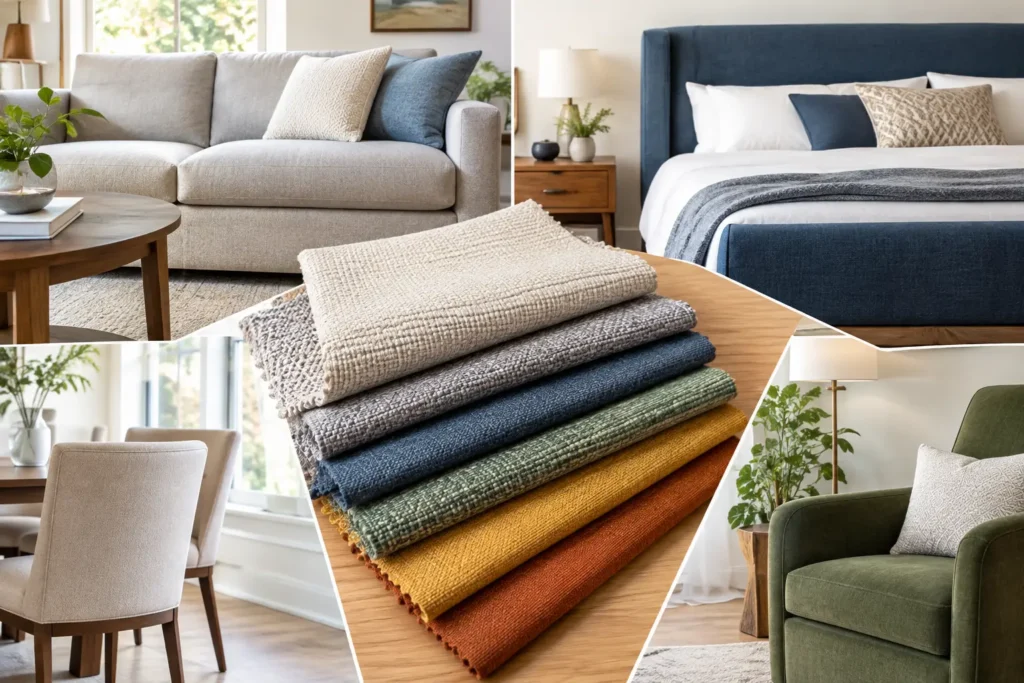
A sofa can look exceptional in the showroom and still become the wrong choice after one busy weekend at home. The difference often comes down to the upholstery fabric options behind the color and texture: how they feel in daily use, how they handle sunlight, and whether they suit the people using the room. Choosing well creates an interior that feels polished for years, not merely impressive on installation day.
For a single accent chair, a statement fabric may be all you need. For a family sofa, hotel lounge, or office reception area, performance, cleanability, and construction deserve equal attention. The best result balances visual refinement with the practical demands of the space.
Start With How the Room Is Used
Before selecting a swatch, consider what happens in the room every day. A formal living room used mainly for hosting can accommodate delicate linen blends, velvet, or a pale woven fabric. A main family room needs a more forgiving material, especially where children, pets, frequent guests, or casual meals are part of the routine.
Bedrooms invite comfort and softness. Upholstered headboards often look beautiful in velvet, linen-look fabrics, or finely woven polyester because these surfaces add warmth without facing the same level of wear as a sofa. Dining chairs, by contrast, benefit from fabrics that can be wiped or professionally cleaned with ease. In offices and hospitality settings, consistency, durability, and stain resistance usually take priority.
Sun exposure matters, too. In Dubai and across the UAE, strong daylight can gradually fade less suitable fabrics and make certain materials feel warmer to the touch. Curtains and blinds help protect upholstered pieces near windows, but fabric selection should still account for where the furniture will sit. A consultation and on-site measurement make these details easier to assess before work begins.
Upholstery Fabric Options That Deliver Different Results
There is no single best upholstery fabric. Each option has its own character, maintenance needs, and ideal setting.
Velvet for depth and luxury
Velvet gives sofas, armchairs, benches, and headboards an unmistakably rich finish. It catches the light differently as the pile changes direction, giving a room dimension and a more tailored feel. Modern performance velvets can be surprisingly practical, with stronger resistance to marks and everyday wear than many people expect.
The trade-off is that velvet can show pressure marks, lint, and directional shading. It suits clients who want a sophisticated statement and are willing to give the piece occasional care. Deep emerald, navy, charcoal, and warm neutrals work particularly well in formal living spaces and premium bedrooms.
Linen and linen-look fabrics for relaxed elegance
Linen has an airy, natural texture that works beautifully in light-filled interiors. It brings a relaxed but elevated appearance to sofas and occasional chairs, especially in sand, ivory, stone, and soft gray tones. Linen blends and linen-look performance fabrics offer a similar aesthetic with greater strength and easier maintenance.
Pure linen may wrinkle and can be less forgiving around spills. For high-use seating, a blend is usually the more sensible choice. The look remains refined, while the fabric is better equipped for regular use.
Cotton blends for comfort and versatility
Cotton upholstery feels familiar, soft, and comfortable. When blended with synthetic fibers, it becomes more durable and less prone to creasing than pure cotton. It is available in countless colors and patterns, making it a flexible option for classic, contemporary, and transitional interiors.
Cotton blends work well on sofas, chairs, and cushions in moderate-use rooms. However, lighter colors may need more frequent cleaning, and unprotected cotton can absorb stains quickly. If you love the feel of cotton but need more protection, ask for a treated or performance-grade version.
Polyester and performance fabrics for busy spaces
Performance fabrics are designed for real life. Often made from polyester, acrylic, or engineered blends, they resist stains, fading, abrasion, and moisture better than many natural fibers. They are especially suitable for family rooms, rental properties, children’s rooms, offices, and hospitality seating.
This category has moved far beyond basic-looking synthetics. Premium performance upholstery can resemble linen, boucle, suede, or woven cotton while offering far easier upkeep. The key is choosing a quality fabric with a texture and color that complement the rest of the room rather than selecting solely on durability.
Leather and leather-look finishes for easy care
Leather provides a clean, confident finish that develops character over time. It is easy to wipe down, making it a practical consideration for dining chairs, executive offices, and high-traffic seating. Genuine leather offers natural variation and long-term appeal, while high-quality leather-look materials can provide a similar tailored appearance at a more accessible price point.
Leather can feel cool initially in air-conditioned spaces and warm when exposed to direct sun, so placement is essential. It also shows scratches differently from woven fabric. Some clients love that lived-in patina; others prefer a smooth, uniform look that a leather-look upholstery may provide.
Boucle and textured weaves for modern softness
Boucle, chenille, and other textured fabrics add tactile interest without relying on bold prints. Their soft, sculptural quality is ideal for curved chairs, accent stools, and contemporary sofas. These fabrics can make a neutral room feel far more considered.
Texture does require thoughtful care. Loops and raised yarns can catch on sharp items or pet claws, and heavily textured fabric may hold dust more readily than a smooth surface. It is often best reserved for lower-traffic pieces or selected in a durable commercial-grade construction.
Choose Color and Pattern With the Whole Interior in Mind
Fabric should coordinate with more than the sofa frame. Look at the curtains, blinds, wall finishes, flooring, rugs, and the room’s natural light. A neutral sofa can give you freedom to refresh cushions and accessories over time, while a colored upholstered chair can introduce personality without overwhelming the room.
Darker fabrics conceal everyday marks more effectively, but they can make a compact room feel heavier. Pale fabrics brighten a space and pair beautifully with sheer curtains, although they need more conscious maintenance. Mid-tone taupes, warm grays, olive, muted blue, and textured greige often offer the most flexible middle ground.
Patterns deserve restraint. A subtle stripe, small geometric, or tonal weave can add movement to a chair or ottoman. On a large sofa, a busy print may compete with patterned curtains, wallpaper, or flooring. If the windows already make a statement, upholstery is often more successful when it provides calm balance.
Look Beyond Appearance: Durability, Cleaning, and Construction
A fabric’s visual appeal is only one part of the decision. Ask about abrasion resistance, colorfastness, stain treatment, and recommended cleaning methods. A high-rub-count fabric generally handles regular friction better, but it should still be appropriate for the intended use and upholstery construction.
Also inspect the fabric in natural and artificial light. A swatch can look cooler near a window and warmer under evening lighting. Touch it, sit on it, and view it beside the curtain or blind materials planned for the room. These small checks prevent expensive mismatches.
The quality of the upholstery work is equally important. Precise tailoring keeps seams straight, corners neat, and patterns aligned. Good foam, webbing, and filling support the fabric and preserve the furniture’s shape. Even the most luxurious textile cannot compensate for poor fitting or loose finishing.
Make Custom Upholstery Part of a Complete Room Plan
Custom upholstery is an opportunity to make furniture belong to the room rather than simply occupy it. A headboard can echo the texture of blackout curtains. Dining chairs can complement Roman blinds. An accent bench can bring a controlled touch of color into a neutral bedroom or reception area.
Elegant Blinds & Curtains can coordinate upholstery work with custom window treatments, helping create a more unified finish without the inconvenience of managing separate suppliers. Professional advice is particularly valuable when matching fabric undertones, planning around strong sun, or selecting materials for a commercial environment.
Bring photos of your room, samples of existing finishes, and an honest picture of how the furniture will be used. The right fabric is not always the most delicate or the most expensive one. It is the one that makes your space feel luxurious while continuing to serve the way you live, work, and welcome guests.